
There is more than one weather pattern
Sri Lanka has a tropical climate influenced by monsoons, with cooler conditions at higher elevations. The south and west and the east coast do not share exactly the same seasonal pattern, so a useful answer depends on where you want to go.
Broadly, the south and west are often favoured during the northern-hemisphere winter, while the east is often considered for the middle of the year. These are planning patterns, not a forecast or a promise of dry days.
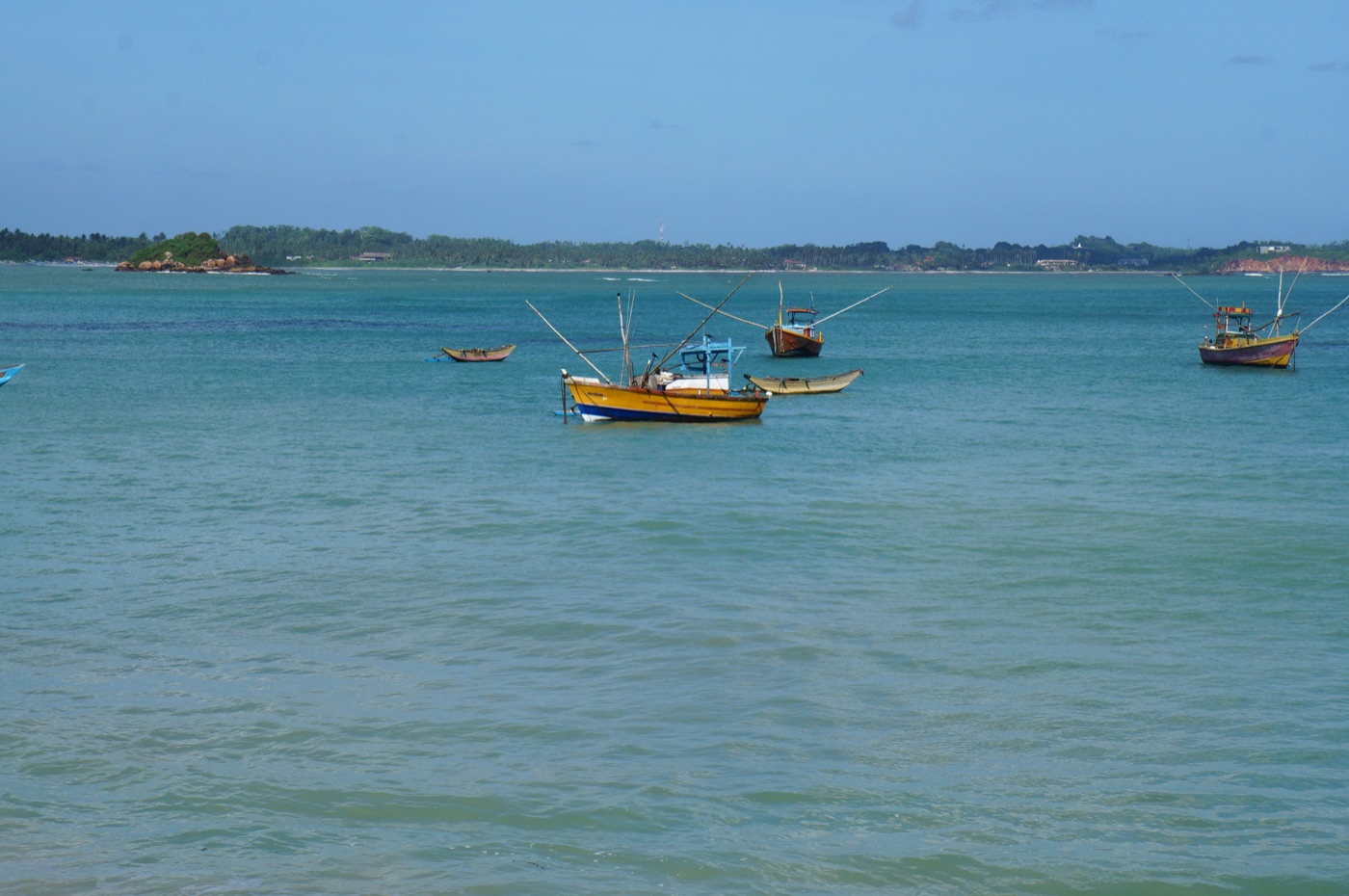
Plan around the experience
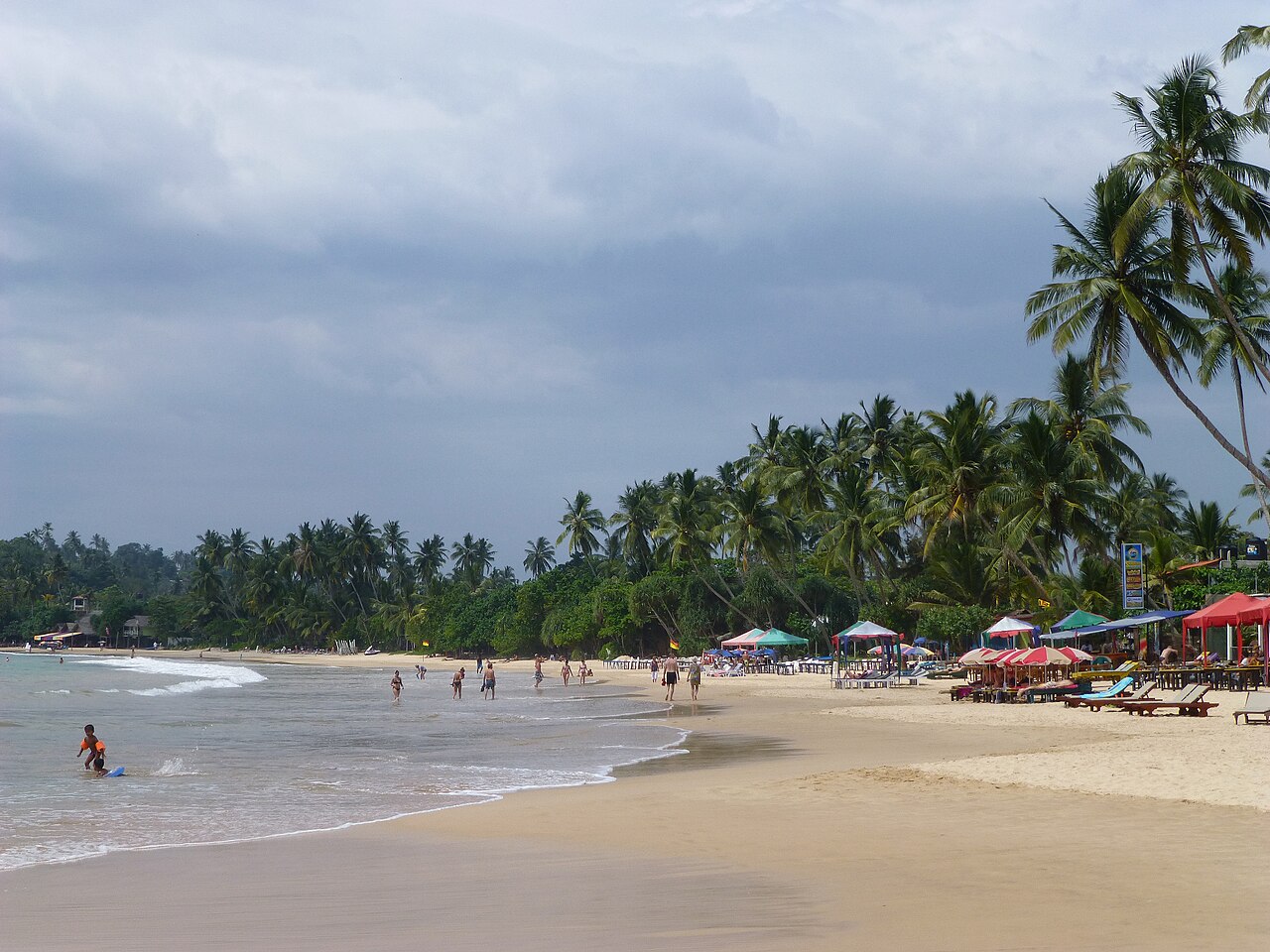
Beach conditions matter differently from sightseeing conditions. Rough seas can affect swimming, snorkelling and boat trips even when the weather on land looks pleasant. Mountain walks can be affected by cloud, rain and slippery paths.
Keep outdoor activities flexible and allow alternatives. If wildlife, surfing or a specific trek is your main reason for travelling, tell us at the beginning so that the route can be checked against seasonal access and local conditions.
Pack for contrasting days
Light clothing works for many lowland days, but the hills call for a warmer layer and rain protection. Sun protection, a reusable water bottle and comfortable footwear are useful across the island.
Before your journey, check a current regional forecast rather than relying on a single island-wide average. We can review your planned stops and suggest where a slower day or a flexible activity would help.
Keep exploring
Explore our destination guides Find your island itineraryFurther reading: Sri Lanka Tourism weather guide